1 / 11
Culture & history · Geumjeong-gu
Beomeosa Temple
Korean name: 범어사
Visit Beomeosa Temple, one of the three major temples in Yeongnam area
Why go
See a 1,300-year-old flagpole support and Daeungjeon Hall's Silla-era patterns on Geumjeongsan Mountain.
- Tip
- Open daily 08:00–17:00 with free admission; Templestay can be booked on the website. From Beomeosa Station (Line 1, Exit 5 or 7), take Bus 90 to Beomeosa Parking Lot, then walk about 5 minutes, and please keep quiet as monks practise here.
Summarised with AI from Busan Tourism Organization's information.
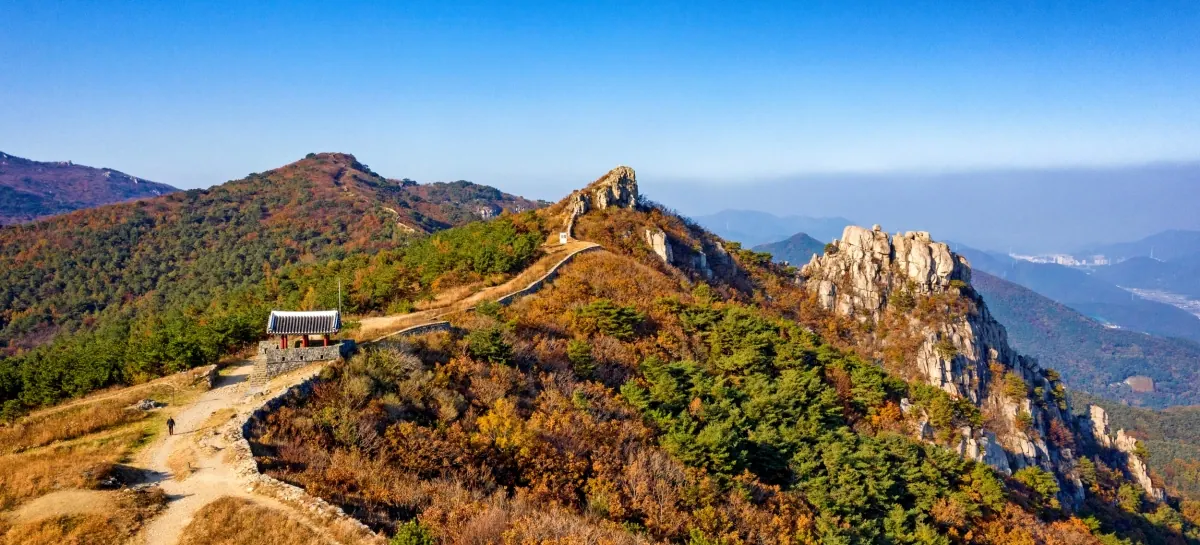
Beomeosa Temple in Geumjeong-gu, Busan, is the third largest temple in the Yeongnam area following Haeinsa Temple and Tongdosa Temple. Built during the reign of Munmu of Silla, it has become famous as a Buddhist temple that has historically nurtured many Buddhist monks. Located at Geumjeongsan Mountain, the temple boasts a beautiful valley and outstanding mountains and is crowded all year around.
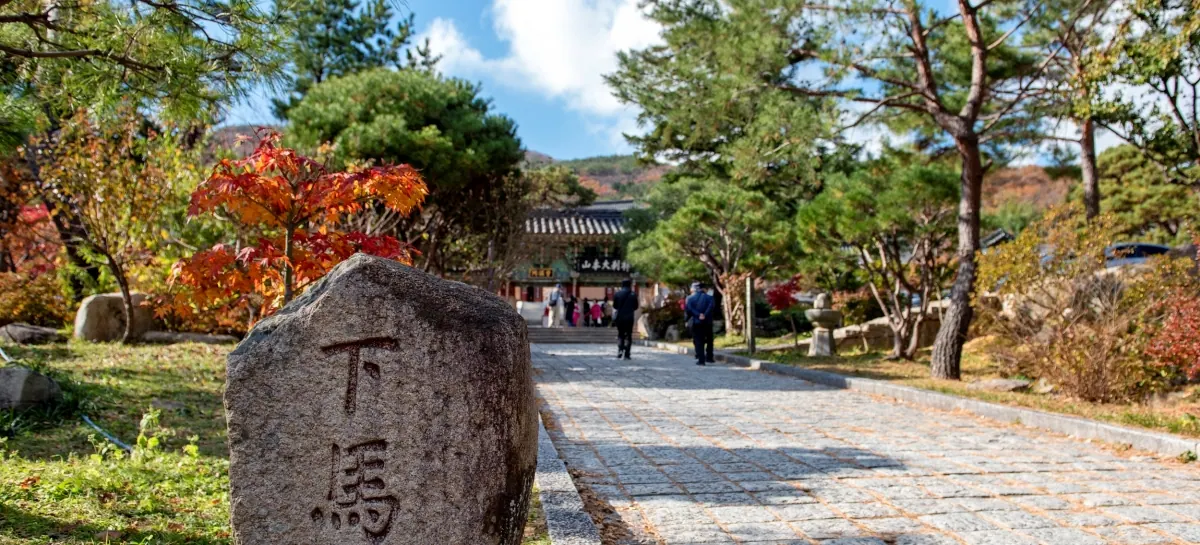
As you enter the entrance of Beomeosa Temple, you will first see the flagpole support, two old stone structures used to support a flagpole between them, and a stepping stone used in mounting or dismounting. For 1,300 years, the flagpole support has stood as a symbolic guardian for the temple. On the other hand, the stepping-stones are known to comfort the souls of the dead Buddhist monks who suffered from the tribute demands of officials in the late Joseon Dynasty. The stones are often seen in front of monastic vows or famous historic houses, but rarely found in the temple.
Jogyemun Gate of Beomeosa Temple serves as Iljumun Gate, a low door that can be passed through only when you bend down, which emphasizes the need to stay humble. Jogyemun Gate, where the stone pillars harmonize with the wooden pillars, shows the architectural style of the mid-Joseon Dynasty and, thus, has an important role for studies about past wooden buildings.
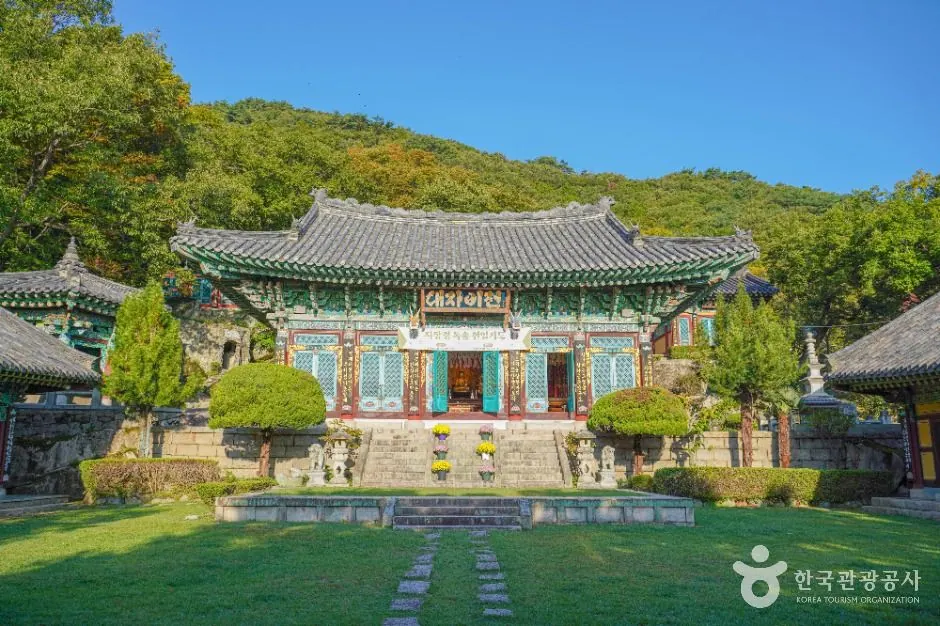
Daeungjeon Hall, designated as Korean National Treasure 434, looks elegant but solid. The wood composing the eaves is carved into a round shape, evoking a superior sense of traditional beauty. The staircase of the podium is unique with the patterns of the Silla Period and the style of late Joseon. It is highly recommended to find out hidden patterns while looking around Daeungjeon Hall in Beomeosa Temple. The interior of Daeungjeon Hall is magnificent. Designated as Korean National Treasure 1526, the Buddha Triad Wooden Statues have welcomed visitors with friendly smiles for a long time. The ceiling and paintings depicting the Buddha’s paradise create a majestic atmosphere, giving the feeling that heaven is here.
Beomeosa Temple has many artifacts made of stone. The stone lanterns at the entrance to Daeungjeon Hall are of great historical value as they show the typical style of the late Unified Silla. On the upper and lower footstones, lotus flowers are symmetrically carved, giving an aesthetic sense of grace, simplicity, and tidiness of the people of Silla.
The Three-story Stone Pagoda of Beomeosa Temple renowned as Korean National Treasure 250 also has traces of the Unified Silla. The thin, flat roof stones are horizontal, creating a stable atmosphere and conveying the beauty of the old Shilla.
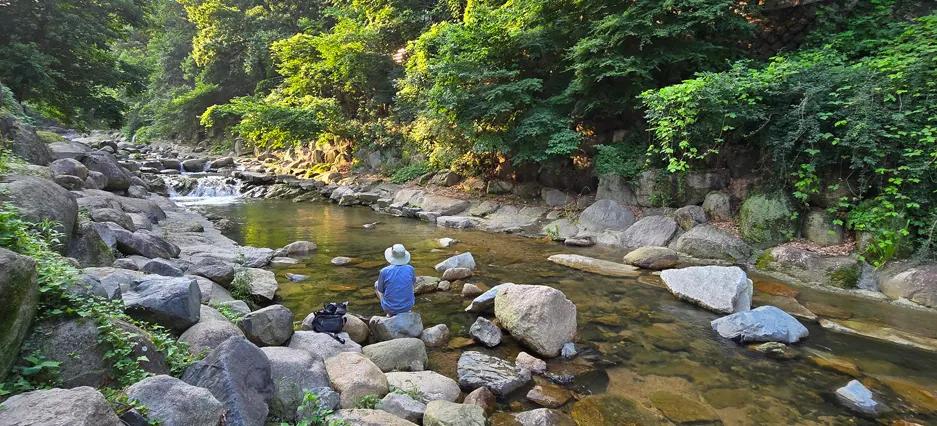
The wisteria habitat in the Beomeosa Temple is a good place to take a short rest after walking around the temple, while the rock beach where countless stones form a colony is regarded as one of the most famous places in the temple. Relaxing in the green forest while listening to the sound of water makes you feel you’re in heaven.
Beomeosa Temple, a beautiful temple located on a quiet mountain trail. For those who need to take a pause, the benevolent smile of Buddha provides relaxation and comfort.
Plan your visit
- Address
- 250, Beomeosa-ro, Geumjeong-gu, Busan
- 부산광역시 금정구 범어사로 250
- Call
- 051-508-3122
Open in
Good to know
- Opening hours
- Every day 08:00–17:00
- Closed
- Open all year round
- Admission
- Free
- Getting there
- Exit 5 or 7 of Beomeosa Station on Busan Metro Line 1 → Transfer to Bus 90, and get off at Beomeosa Parking Lot Parking : Beomeosa Temple Parking Lot (charged)
- Facilities
- Accessible Parking Lot, Accessible bathroom
- Tip
- Application for Templestay is available on the website.
- Please note
- This is an ascetic place for Buddhist monks. Please observe silence.
Opening hours and prices can change. Please check before you go.