1 / 12
Culture & history · Nam-gu
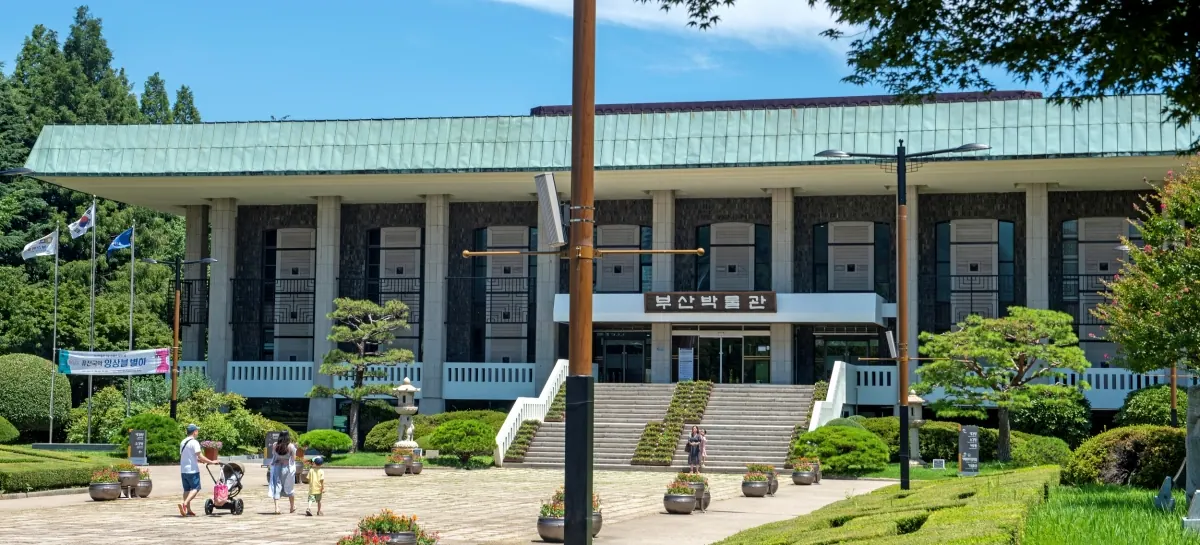
National Memorial Museum of Forced Mobilization under Japanese Occupation
Korean name: 국립일제강제동원역사관
National Memorial Museum of Forced Mobilization under Japanese Occupation embraces the painful history
Why go
Walk the Tunnel of Memory and full-scale models of mines and labourer quarters that tell the story of Koreans forced into wartime labour.
- Best time
- Arrive before 17:00, when admission ends.
- Tip
- Admission is free; open Tuesday to Sunday 09:30–17:30 with last entry at 17:00, closed Mondays, January 1st, Lunar New Year's Day and Chuseok. From Exit 1 of Motgol Station (Line 2), take Village bus Nam-gu 9; please keep quiet inside.
Summarised with AI from Busan Tourism Organization's information.
After the breakout of the Sino-Japanese War, the Empire of Japan, which had enacted the National Mobilization Law, forcibly mobilized the Koreans, exploiting their labor and infringing upon their human rights. The Koreans who were taken to Japan and Manchuria under the names of coal mine workers, soldiers, and women's labor corps had to suffer from famine and labor. It is an indelible, painful history. Let’s remember and spread knowledge about the heartbreaking history with the National Memorial Museum of Forced Mobilization under Japanese Occupation.
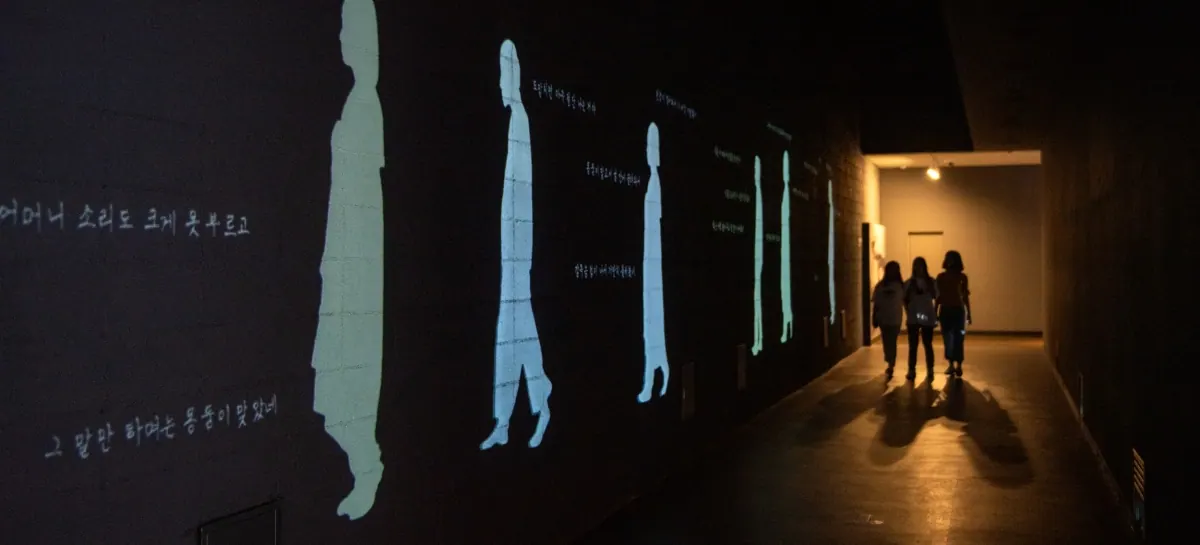
“I was too hungry to live in Japan. But when I said I was starving to death, I was beaten and lashed.” The narration makes people feel stunned while seeing white shadows walking with heavy footsteps. When passing through the Tunnel of Memory, which is the beginning of the exhibition on the fourth floor, people cannot handle this burst of emotion. This exhibition hall is designed to show the exact concept and reality of the forced mobilization to remember the painful history of colonial Joseon.
Can you imagine how the people, who were forcibly separated from their families as victims of the Japanese colonial war, felt? A husband, who had been driven to battlefields, kept only his belt that his wife embroidered for his safe return, and the draft notice. The relics and photographic materials of that time tell us the historical truth of the Japanese forced mobilization in detail.
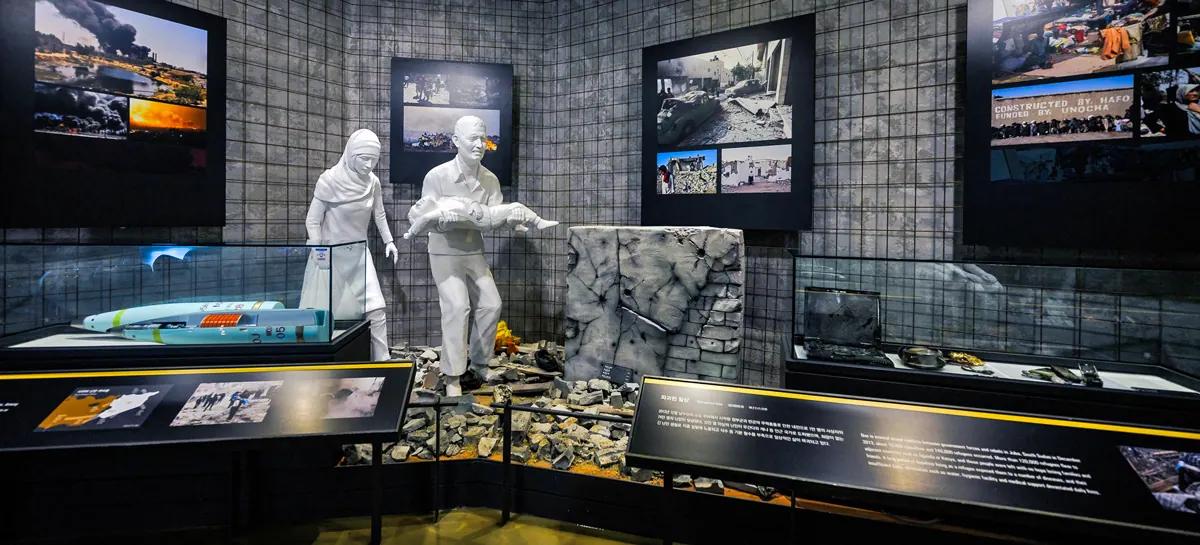
The fifth-floor exhibition hall displaying models shows the scenes of the forced mobilization during the Japanese occupation, involving coal mines, camps, laborer quarters and materials, and comfort stations. These places are where Koreans were confined and had to endure years of darkness after having been forcibly dragged, not knowing whether they could live or die. You can see them waiting earnestly for the day when they could finally come back home despite all the suffering from endless hard work in a place without a sliver of light.
As the occupation of the Empire of Japan increased, the number of forcibly mobilized people also increased beyond recognition. It was reported that even younger people who were not subject to the mobilization were recruited to meet quotas, which were allotted by the village. The younger men were thrown into gunfire on battlefields and forced to work. While they were watching boats passing by, they repeatedly uttered, “Mother, I miss you so much.”
Countless Koreans, who suffered from excessive hard labor in poor working conditions, died or went missing. Remains of some have been returned to their country, but most of them are still far away in other countries. Let’s honor their souls and pray that they rest in peace.
It is still an ongoing process to reveal the historical truth for the resolution of the deep sorrow of the Korean forced mobilization victims.
Plan your visit
- Address
- 100, Honggok-ro 320beon-gil, Nam-gu, Busan
- 부산광역시 남구 홍곡로320번길 100
- Call
- 051-629-8600
Open in
Good to know
- Opening hours
- Tuesday−Sunday 09:30 ~ 17:30 (No admission allowed after 17:00)
- Closed
- Every Monday, January 1st, Lunar New Year's Day, Chuseok ※ If a holiday falls on a Monday, the facility will be closed on the following weekday.
- Admission
- Free
- Getting there
- Get off at Exit 1 of Motgol Station on Busan Metro Line 2 → Transfer to Village bus Nam-gu 9 → Get off at National Memorial Museum of Forced Mobilization under Japanese Occupation Get off Bus 134 at Sukpo Elementary School and walk for 10 min Village bus Nam-gu9 at UN Peace Memorial Hall ‧ National Memorial Museum of Forced Mobilization under Japanese Occupation
- Facilities
- Sign Language Guide, Braille Guide, Ramp, Accessible Facility, Wheelchair Rentals, Wheelchair Lift, Parking Lot, Accessible Parking Lot, Elevator, Accessible bathroom
- Please note
- Please maintain silence in the museum.
Opening hours and prices can change. Please check before you go.